


Ever scrolled through Pinterest or Instagram and thought, “I need that chair”? You know the ones. The sleek wooden dining chair with the woven seat that seems to be in every single minimalist apartment. Or maybe that luxurious leather lounge chair with the matching ottoman that just screams sophistication. And what about that iconic, minimalist chair with the chrome frame and cane seat that’s suddenly everywhere?
We see them everywhere. But here is the wild part: most of these chairs aren’t just trendy designs made by fast-furniture brands. They are actually iconic pieces created decades ago by some of the most famous architects and designers in the world.
Let’s pull back the curtain and meet the brilliant minds behind the internet’s most copied chairs. Prepare to be surprised!
The “V-Leg Wood and Cane” chair
Its real name: The Chandigarh Chair (or V-Leg Chair). The genius behind it: Pierre Jeanneret (1950s).
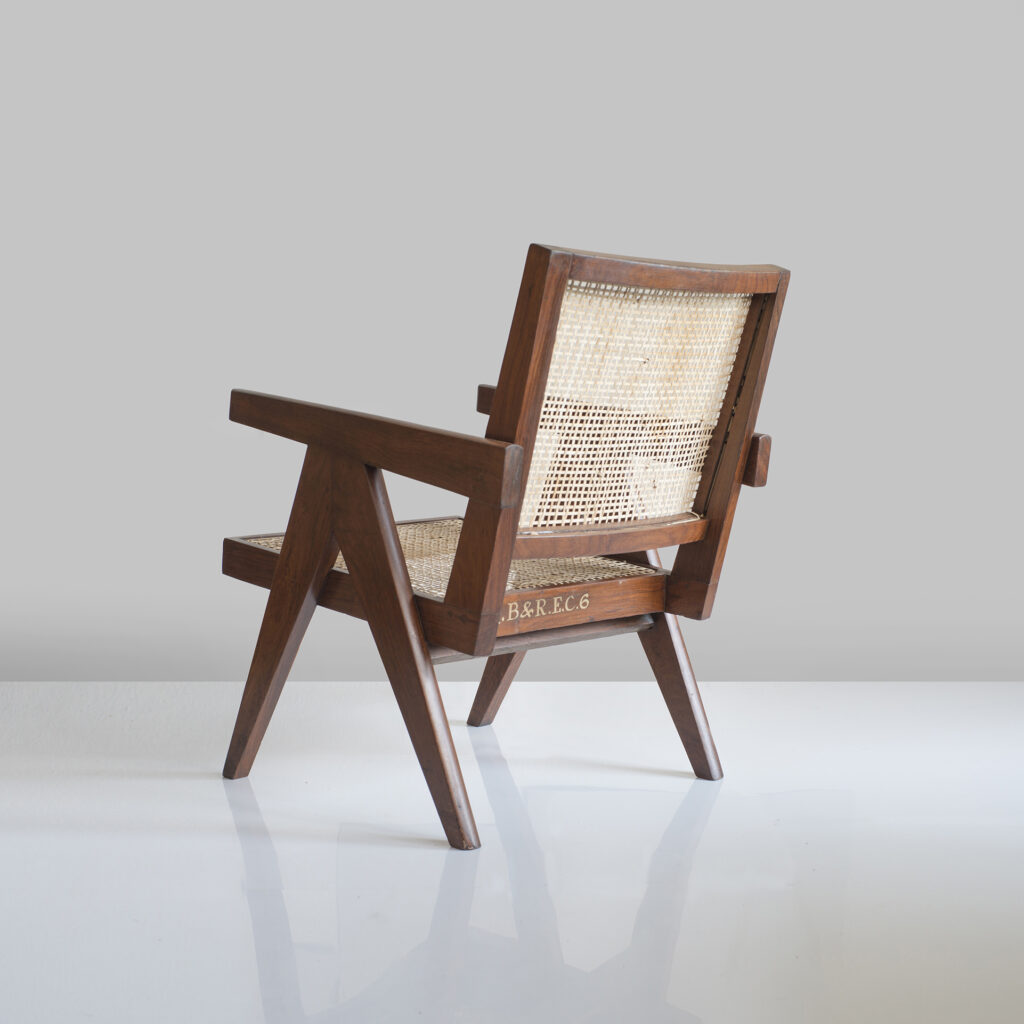
It looks like it was designed yesterday for a high-end boutique hotel, but its origins are actually fascinating. In the 1950s, Swiss architect Pierre Jeanneret designed thousands of these chairs for the newly built city of Chandigarh in India. They were meant to be practical, everyday seating for government offices. Decades later, design collectors rediscovered them, and they became a massive status symbol. Now, the V-leg silhouette is everywhere, bringing a touch of mid-century history to modern living rooms.
The “Minimalist Woven” Dining Chair
Its real name: The Wishbone Chair (CH24) The genius behind it: Hans J. Wegner (1949)
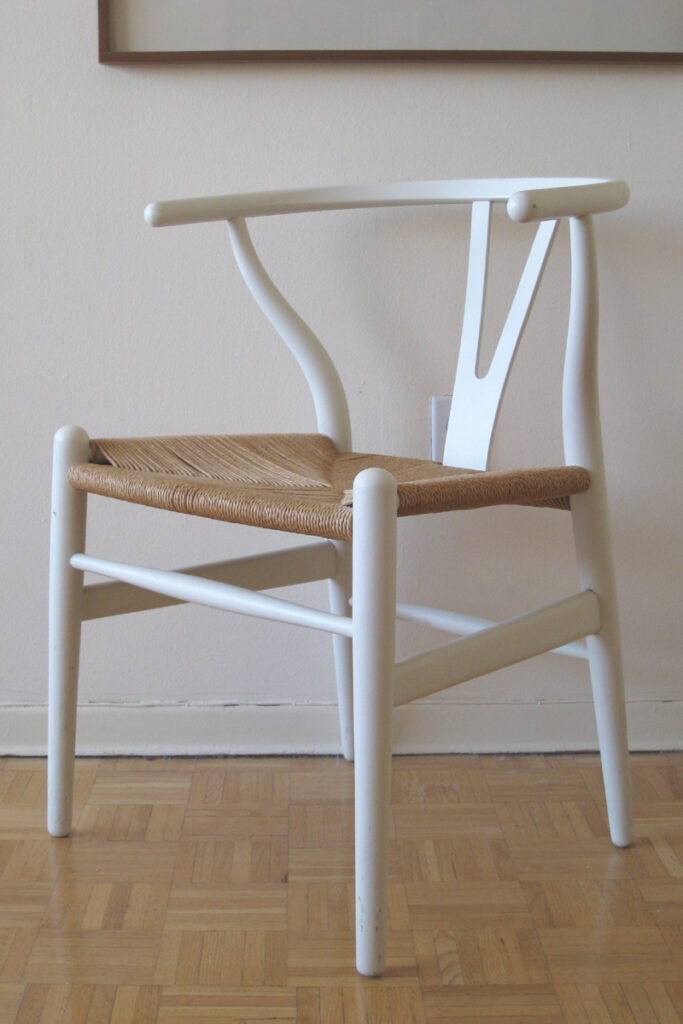
Take a look at any bright, airy dining room on Pinterest, and there is a very high chance you will spot this chair. It looks incredibly modern. But surprise! It was actually designed way back in 1949 by Danish design legend Hans J. Wegner. He was inspired by portraits of Danish merchants sitting in classic Ming Dynasty chairs. The Y-shaped back (which gives it the “Wishbone” nickname) is a masterclass in simple, elegant support. It is arguably the most copied dining chair in the world, proving that truly great design never goes out of style.
The “Ultimate Lounge” Chair and Ottoman
Its real name: The Eames Lounge Chair and Ottoman. The genius behind it: Charles and Ray Eames (1956)
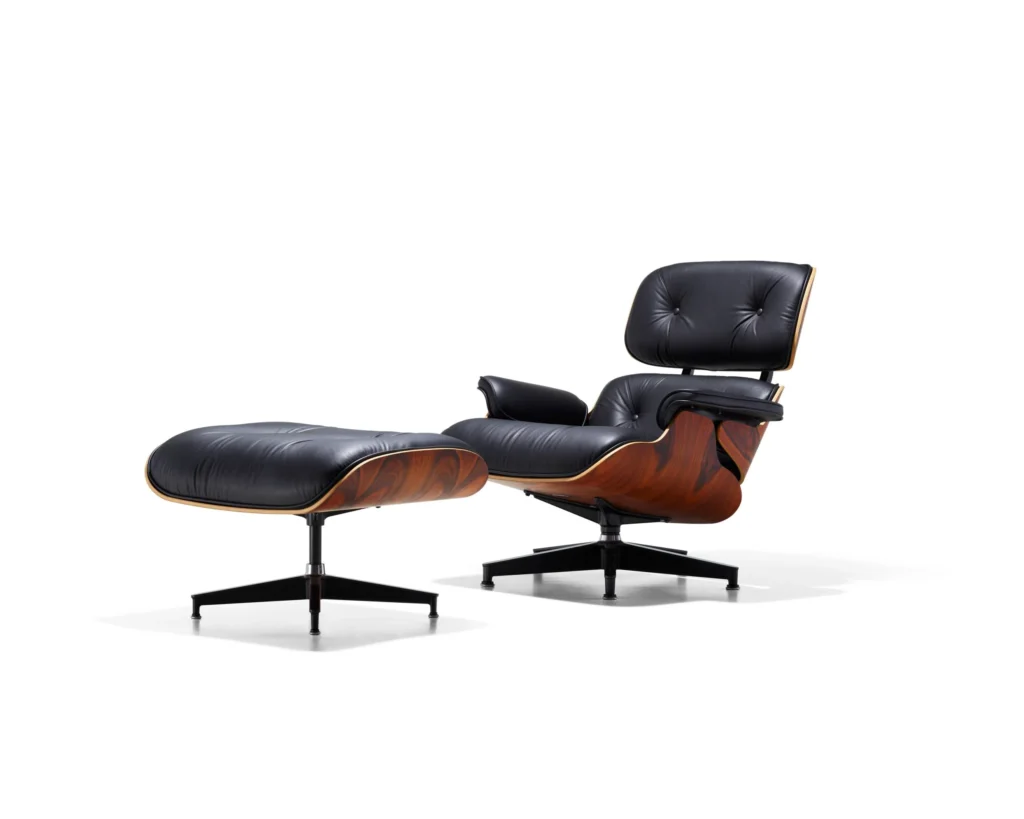
If there is one chair that epitomizes mid-century modern luxury, it is this one. The Eames Lounge Chair looks like it belongs in a museum (and often does!). Designed by the legendary husband-and-wife duo Charles and Ray Eames. Their goal was to create a modern version of a 19th-century club chair. It is the ultimate statement piece, offering unparalleled comfort and timeless style.
The “Cantilevered Cane” Chair
Its real name: The Cesca Chair. The genius behind it: Marcel Breuer (1928)
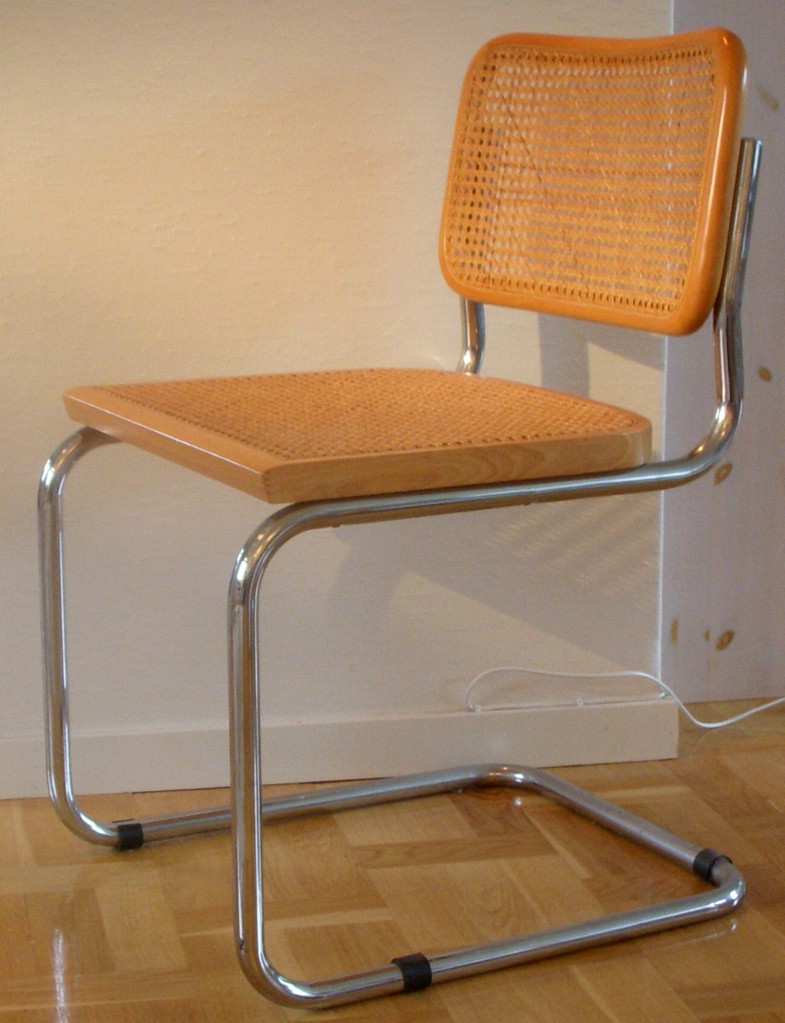
This chair is everywhere, from trendy cafes to stylish home offices. Its distinctive feature is a tubular steel frame that bends and curves without back legs, creating a “cantilevered” effect. Combined with a woven cane seat and back, it is a brilliant blend of industrial innovation and natural texture. Designed by Bauhaus pioneer Marcel Breuer in 1928, the Cesca chair was one of the first chairs to use tubular steel in furniture design.
The “X-Frame Leather” Chair
Its real name: The Barcelona Chair. The genius behind it: Ludwig Mies van der Rohe (1929)
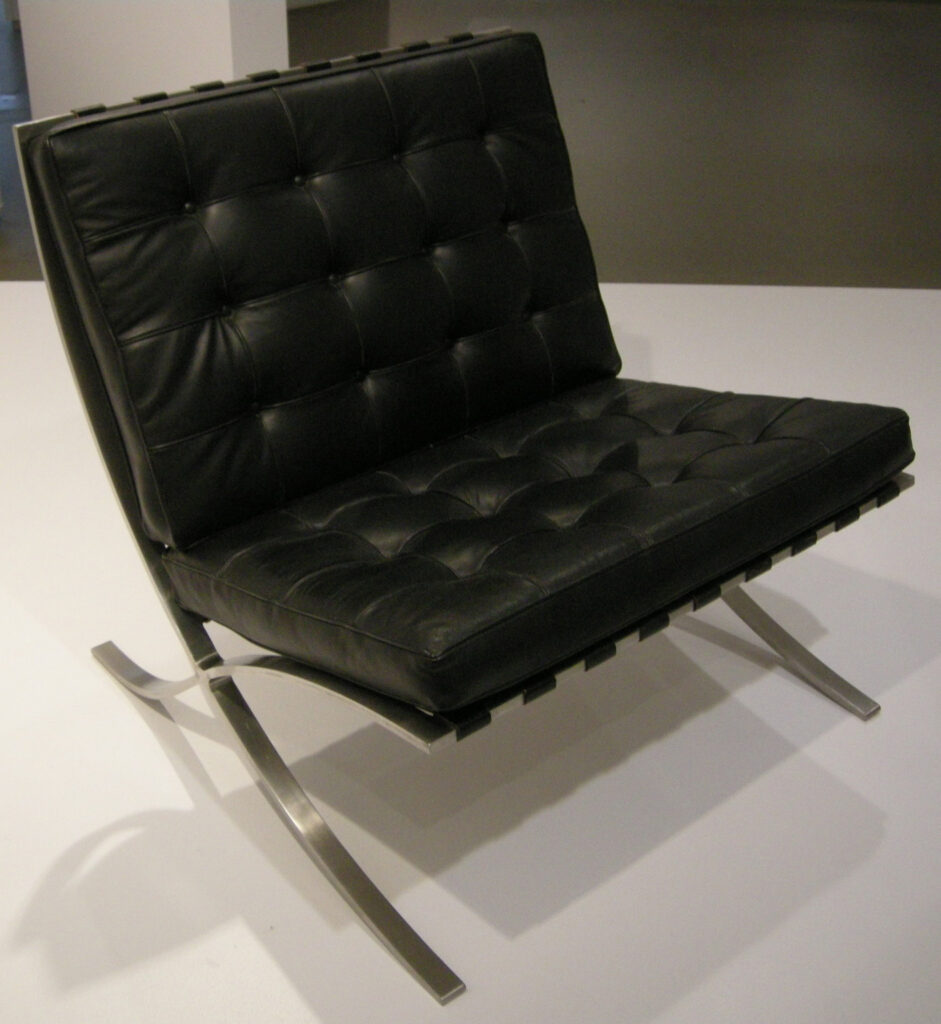
This chair is pure architectural elegance. Designed by the influential architect Ludwig Mies van der Rohe for the German Pavilion at the 1929 International Exposition in Barcelona, it was originally intended as seating for Spanish royalty. Today, it is a staple in high-end offices, luxurious living rooms, and anywhere a statement of refined taste is desired.
Why Do We Love These Copies?
It is easy to see why these designs are so heavily replicated. They are the perfect mix of form and function. They look incredible, solve design problems, and fit into almost any style of home. So, the next time you are scrolling through Pinterest and spot one of these familiar faces, you can smile knowing the secret history behind the world’s most popular chairs. You are not just looking at a trend; you are looking at a masterpiece!

